EN
EN
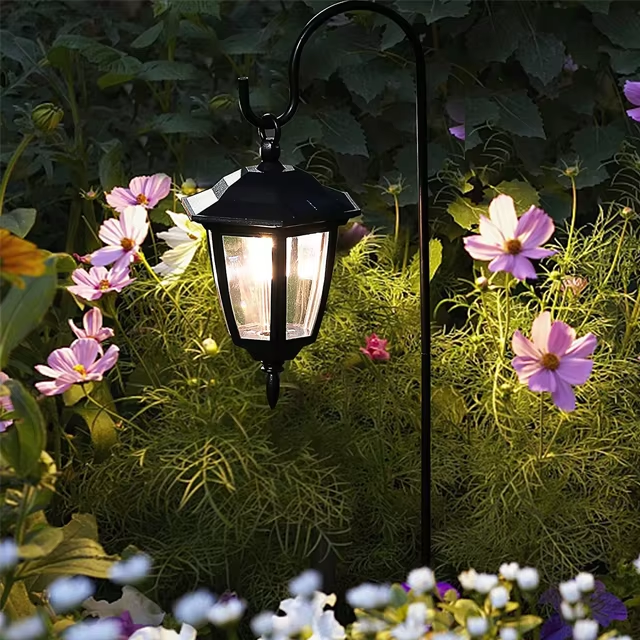
Dış Mekân Solar Duvar Montajlı Aydınlatmalar İçin Temel Çevresel Zorluklar
Çevresel Stres Faktörlerini Anlama: Yağmur, Kar, Sıcaklık ve UV Maruziyeti
Dışarıya monte edilen güneş enerjili duvar lambaları, hem yapı kalitesini hem de iç bileşenleri test eden doğanın aşırı koşullarından kaynaklanan gerçek zorluklarla karşı karşıyadır. Şiddetli yağmur (saatte 50 mm'den fazla) yağdığında su, contaların zayıf noktalarını bulmaya eğilimlidir. Metrekareye 25 kg'dan fazla ağırlıkta kar biriktiğinde ise plastik muhafazalar genellikle bükülmeye veya bozulmaya başlar. -20 santigrat derece ile 50 santigrat derece arasındaki sıcaklık dalgalanmaları, iç kısımdaki lehim bağlantılarına stres uygular ve lityum pillerden zamanla güç kaybına neden olur. Uzun süreli ısı maruziyeti ayrıca güneş panellerine de ciddi şekilde zarar verir ve etkinliklerini zaman içinde yaklaşık %18 oranında azaltır. UV ışınları hasarı da başka bir büyük endişe kaynağıdır. Laboratuvar testleri, korumasız bırakılan plastiklerin sadece doğrudan güneş ışığında durarak her ay çekme mukavemetlerinin yaklaşık %0,3'ünü kaybettiğini göstermektedir.
Güvenilir Performans İçin IP65 Su Geçirmezlik Derecelendirmesinin Önemi
Dış mekân güneşli ışıklarının zaman içinde güvenilir bir şekilde çalışması için en az IP65 sertifikasyonuna sahip olmaları gerekir. Bu derecelendirme, ışıkların toza karşı tamamen korumalı olduğunu ve basınç altında bile tüm yönlerden püskürtülen suya dayanabileceğini gösterir. Şiddetli yağmurlarda bile farklı açılardan gelen suya karşı çalışmaya devam eder ve yaklaşık 10 cm derinliğindeki sığ birikintilere kısa süre batmaya maruz kalmayı atlatır. Kıyı bölgelerinde yapılan uygulamalara baktığımızda, tuz maruziyeti nedeniyle bir yıl içinde çoğu IP44 dereceli ışığın arızalanmaya başlamasıyla IP44 ile IP65 arasındaki fark net bir şekilde ortaya çıkar. Testler, IP65 sertifikalı armatürlerin su geçirmezlik özelliklerini olağanüstü iyi koruduğunu göstermiştir ve binlerce saat tuzlu sisle temas halinde kaldıktan sonra bile yaklaşık %98 etkinliğini koruyabilmektedir. Bunu mümkün kılan nedir? Detaylara bakalım: üreticiler özellikle kalıplanmış çok sıkı oturan conta kullanmakta (yarım milimetreden düşük tolerans) ve sistemin içine suyun hapsolmasını önlemek için kanallarda akıllıca tasarlanmış tahliye noktaları yerleştirmektedir.
Malzeme Seçiminin Güneş Enerjili Duvar Işıklarının Ömrüne Doğrudan Etkisi
Çevresel aşınmaya ve yıpranmaya karşı dayanma konusunda hangi malzemeleri seçtiğimiz her şeyi değiştirir. Örneğin denizlik sınıfı alüminyum 5052 alaşımı, normal alüminyuma göre tuzlu su korozyonuna yaklaşık dört kat daha iyi direnç gösterir. Ve bu borosilikat cam lensler? Tam bir on yıl boyunca güneşte kalmalarına rağmen hâlâ orijinal ışıklarının yaklaşık %92'sini iletmeye devam eder. Dolu yağışının yaygın olduğu bölgelerde ise yüksek darbe dayanımlı polikarbonat muhafazalar, hasar göstermeden önce yaklaşık 9 joule'lük bir kuvvete kadar darbeyi kaldırabilir; bu, şiddetli hava koşullarına maruz kalan ekipmanlar için kesinlikle gereklidir. Uzun vadeli dayanıklılığa bakıldığında, gelişmiş ortak ekstrüzyonlu polimerler gerçekten öne çıkar. Bu özel katmanlı malzemeler, zenon ark testinde 10.000 saat geçtikten sonra bile minimal sararma gösterir ve 2 Delta YI'nin altında kalır. Aynı test koşullarında genellikle önemli ölçüde daha fazla sararan ve sıklıkla 15 Delta YI bozulmaya ulaşan temel tek katmanlı ABS muhafazalarla kıyaslandığında bunu göz önünde bulundurmak gerekir.
Metal Kasa Malzemeleri: Aşırı Koşullarda Dayanıklılık ve Korozyon Direnci
Neden dayanıklı, hafif güneş enerjili duvar montajlı aydınlatmalar için deniz tipi alüminyum idealdir
Deniz tipi alüminyum, korozyon direnci ve düşük ağırlık açısından optimal bir denge sunar ve bu da onu açık hava güneş enerjili aydınlatmaları için ideal kılar. Standart alüminyuma göre tuz sisine maruz kalma süresini üç kat daha uzun dayanır ve paslanmaz çeliğe göre %40 daha hafiftir. Bu, montaj sistemlerindeki stresi azaltır ve yapısal bütünlüğü korurken kasırga tehlikesi olan kıyı bölgelerinde dayanıklılığı artırır.
Paslanmaz çelik ile pirinç karşılaştırması: Pas direnci ve yapısal dayanıklılık
| Mülk | 304 paslanmaz çelik | C360 Pirinç |
|---|---|---|
| Tuzlu Su Direnci | 10.000+ saat | 800 saat |
| Çekme Dayanımı | 505 MPa | 338 MPa |
| Isıl İletkenlik | 16,2 W/mK | 120 W/mK |
Paslanmaz çelik, deniz ortamlarında pirinçe açıkça üstündür ancak sıcaklık dalgalanmaları sırasında daha yüksek termal genleşme oranını yönetmek için dikkatli mühendislik gerektirir.
Döküm alüminyum yapısı: Dayanıklılık ile kurulum kolaylığını dengelemek
Döküm alüminyum, entegre kablo kanallı ve montaj noktalarına sahip karmaşık gövde tasarımlarına olanak tanır. 2024 Dış Mekân Malzemeleri Raporu'na göre, toz boyayla birlikte kullanıldığında döküm alüminyum, paslanmaz çeliğin hava direncinin %93'ünü malzeme maliyetinde %62 daha düşük seviyede sağlayarak büyük konut uygulamaları için maliyet açısından verimli bir çözüm sunar.
Vaka çalışması: Kıyı bölgelerinde paslanmaz çelik güneş duvar lambaları
Florida kıyı şeridinde yapılan 1.200 adet paslanmaz çelik armatürün beş yıllık çalışmasında, alüminyum modellere kıyasla hayatta kalma oranının %92 olduğu ortaya konuldu. Arızaların nedeni çoğunlukla gövde bozulması değil, bağlantı elemanlarının korozyonuna bağlıydı. Bu durum, aşındırıcı ortamlarda tüm bileşenlerde uyumlu malzemelerin kullanılmasının önemini göstermektedir.
Yüksek Performanslı Polimerler: UV Kararlı ABS ve Polikarbonat Kompozitler
UV Korumalı ABS Gövdelere: Sararma ve Malzeme Bozulmasının Önlenmesi
Güneş ışığına maruz kaldığında, UV ile stabilize edilmiş Akrilonitril Bütadien Stiren veya ABS, normal ABS malzemelerden çok daha uzun süre dayanır. Bu özel muhafazalar, zararlı UV ışınlarının yaklaşık %98'ini engeller ve böylece UV seviyelerinin düzenli olarak 11 indeksi aşan çöl koşullarında bile çatlama veya sararmadan uzun süre dayanırlar. İlginç olan, üreticilerin yüzeylerde güneş ışığını dağıtma özelliğine sahip özel bileşikler eklemiş olmasıdır. Bu akıllı yöntem, dış sıcaklığı yaklaşık 15 ila 20 Fahrenheit derece düşürür ve hassas elektronik bileşenlerin muhafaza içinde serin kalması ve zaman içinde doğru şekilde çalışması açısından büyük fark yaratır.
Polikarbonat (PC) Lensler: Üstün Darbe ve Hava Koşullarına Dayanıklılık
Polikarbonat lensler gerçekten çok dayanıklıdır. Normal camlara göre yaklaşık 250 kat daha iyi darbe direnci gösterir ve on yıl boyunca güneş ışığında kalsa bile hâlâ mevcut ışığın yaklaşık %90'ını geçirir. Bazı bağımsız laboratuvarlar bunları oldukça sert koşullara karşı test etmiştir. Bu lensler, yaklaşık 60 mil/saat hızla hareket eden, çeyrek dolar büyüklüğündeki dolu tanelerine maruz kaldıklarında bile dayanıklılığını korumuştur. Ayrıca bir başka avantajları da vardır: çoğu, daha ucuz akrilik seçeneklerle karşılaştırıldığında kir birikimini yaklaşık %40 oranında azaltan özel bir su itici kaplamaya sahiptir. Bu da zaman içinde daha temiz lensler ve aydınlatma çözümlerimizden beklediğimiz sürekli parlaklık seviyesinin korunması anlamına gelir.
Mühendislik Reçineleri: Ekonomik ve Dayanıklı Alternatifler
ABS-PC karışımları, saf PC'ye kıyasla üretim maliyetlerini %25-30 oranında düşürerek ABS'nin kalıp yapılabilirliği ile polikarbonatın UV stabilitesini birleştirir. Bu kompozitler UL 746C açık hava dayanıklılığı standartlarını karşılar ve güneş paneli yönelimini optimize etmek için karmaşık geometrilerin kullanımına imkan tanır. Son zamanlarda geliştirilen nano takviyeli formülasyonlar, çizilmeye karşı direnci üç kat artırarak yoğun trafiğin olduğu kurulumlarda ömür uzunluğunu artırır.
Trend Analizi: Üst Düzey Açık Hava Aydınlatmasında Gelişmiş Plastiklerin Artan Benimsenmesi
2022'den bu yana, malzeme bilimindeki gelişmeler nedeniyle üst düzey güneş enerjili aydınlatma pazarında polimer bazlı tasarımlar %40 oranında artmıştır. 2023 yılında 200 üretici üzerinde yapılan bir anket, kıyısal ve alpin uygulamalar için üreticilerin %68'inin artık metal muhafazalara göre UV-stabil kompozitleri tercih ettiğini ortaya koymuştur ve bunu üstün korozyon direnci ile %15-20 ağırlık tasarrufu gerekçesiyle açıklamışlardır.
Uzun Ömürlü Güvenilirlik için Koruyucu Kaplamalar ve Sızdırmazlık Teknolojileri
Toz Boya Kaplamalar: Nem, UV ve Sıcaklık Dalgalanmalarına Karşı Koruma
Toz boya işlemi, boyayı parçacıklar halinde uygulamadan önce statik elektrik kullanarak yüzeye yapıştırıp daha sonra sertleştirme yöntemiyle sabitler. Bu sayede toz boyalar genellikle sıvı boyalara kıyasla yüzeylere daha iyi yapışır. Ulusal Yenilenebilir Enerji Laboratuvarı'nın 2023 yılında yaptığı testler, kaliteli poliester kaplamalar hakkında ilginç bir bulgu ortaya koymuştur: bu kaplamalar, zorlu koşullara ardışık 5.000 saat maruz kalındıktan sonra bile UV ışığı yansıtma yeteneklerinin yaklaşık %98'ini korumuştur. Peki bu pratikte ne anlama gelir? Yüzeyler genel olarak daha serin kalır, tipik olarak 140 Fahrenheit derece altında, yani yaklaşık 60 Santigrat derece civarında olur ve bu durum, zamanla çeşitli sorunlara yol açabilen aşırı ısınma riskine karşı hassas elektronik bileşenleri korumak açısından oldukça önemlidir.
Anodize Alüminyum ile Boyalı Yüzeyler: Dış mekânda Hangisi Daha Uzun Dayanır?
Dayanıklılık karşılaştırmaları, anodizasyon açısından açık avantajlar göstermektedir:
| Malzeme | Tuz Sprey Testi (ASTM B117) | UV bozunma eşiği | Bakım döngüsü |
|---|---|---|---|
| Anodize edilmiş alüminyum | 3.000 saat | 15+ yıl | Her 7-10 yılda bir |
| Boyalı Alüminyum | 800 saat | 5-8 yıl | Her 2-3 yılda bir |
Anodizing, boyaya kıyasla sadece yüzey kaplaması kalan bir işlem olmaktan ziyade moleküler düzeyde bağlı koruyucu bir oksit tabakası oluşturur. Sonuç olarak anodize alüminyum, boyalı yüzeylere göre kıyı bölgelerindeki korozyona 3,75 kat daha uzun süre direnç gösterir.
Silikon Contalar ve O-Ring'ler: IP65 Dereceli Solar Duvar Aydınlatmalarında Su Girişine Karşı Kritik Bariyerler
Silikon contalar, IP65 dereceli sızdırmazlıkların sağlam kalmasında kilit bir rol oynar. Dikkat çeken özellikleriyse eksi 40 Fahrenheit'ten (yaklaşık eksi 40 Celsius) 400 Fahrenheit'e (yaklaşık 204 Celsius) kadar uzanan aşırı sıcaklıklarda esnekliğini koruyabilmeleridir. Yaklaşık 14 Fahrenheit'in (-10 Celsius) altına düştüğünde sertleşip çatlamaya başlayan EPDM kauçuğuyla karşılaştırıldığında bu avantaj daha belirgin hale gelir. ANSI/ISA 75.23.01 gibi endüstriyel standartlara göre yüksek kaliteli silikon parçalar zaman içinde çok düşük oranda sıkışma deformasyonu gösterir ve on yıl boyunca bekletildikten sonra bile genellikle yüzde yarımın altında kalır. Bu, tekrarlayan ısıtma ve soğutma döngülerine rağmen ekipman gövdelerinin bükülmesine rağmen sızdırmazlık bütünlüğünü korudukları anlamına gelir.
Yoğuşmayla Başa Çıkma: Neden Su Geçirmezlik Derecelendirmeleri Her Zaman Kusursuz Değildir
Birçok güneş enerjili duvar lambasının IP65 standartlarını karşılamasına rağmen, 2024 yılında yapılan yaklaşık 12.000 kurulumun incelenmesi sürpriz bir sonuç ortaya koydu - birimlerin her dörtte birinde sadece beş yıl sonra iç kısmında yoğunlaşma sorunları oluşmuştu. Nemden korunmanın gerçek sırrı sadece sıkı sızdırmazlık yapmak değil. İyi tasarımlar, nemin dışarı atılmasına izin verirken sıvı suyun içeri girmesini engelleyen malzemeler kullanır. Önde gelen üreticiler, su moleküllerini iten özel kaplamaları devre kartlarına uygulamaya ve aerogel malzemeden üretilmiş gelişmiş yalıtım teknolojilerini birlikte kullanmaya başladı. Bu yenilikler, iç sıcaklığın dış ortamla oldukça yakın kalmasını sağlar, genellikle yaklaşık 5 Fahrenheit derece farkla sınırlıdır. Bu tür bir sıcaklık istikrarı, yoğunlaşmanın başlamasını temelde engeller ve bu yüzden piyasaya çıkan yeni modellerde daha az sorunla karşılaşıyoruz.
Korozyona Dayanıklı Donanım: Zaman İçinde Yapısal Bütünlüğün Sağlanması
Paslanmaz Çelik Vidalar ve Braketler: Uzun Vadeli Tesisat Kararlılığını Destekler
Zorlu kıyı bölgelerinde veya nemin sürekli olarak etkili olduğu alanlarda şeyleri sağlam tutmak söz konusu olduğunda, 304 ve 316 kalite paslanmaz çelik vidalar ile braketler gerçekten öne çıkar. Bu malzemeler, sıradan çeliğe kıyasla neredeyse beş kat daha uzun süre paslanmaya karşı dayanıklılık gösterir; bu veri ASTM International tarafından yapılan testlere dayanmaktadır. Kusurlu bağlantı elemanlarının dış mekân aydınlatma sistemlerinde erken arızaların yaklaşık dörtte birine neden olması sebebiyle, bu tür bir dayanıklılık büyük fark yaratır. Ayrıca bu paslanmaz çelikler çevreleriyle tepkimeye girmediği için yıllarca doğru hizalamayı korur. Bu kararlılık, güneş panellerinin doğru açıyla kalmasını sağlarken, ileride oluşabilecek su hasarı ve korozyon sorunlarına karşı önemli sızdırmazlıkları da muhafaza eder.
Çinko Kaplanmış ve Plastik Ankrajlar: Donma-Çözülme ile Nemli İklimlerde Performans
| Özellik | Çinko Kaplanmış Ankrajlar | Plastik dübeller |
|---|---|---|
| Sıcaklık aralığı | -40°F ila 120°F | -20°F ila 90°F |
| Tuzlu Hava Direnci | oyuklaşma öncesi 5-8 yıl | Korozyon riski yok |
| UV Bozunması | Yok | 2-3 yıl sonra gevrek hale gelir |
| Kurulum Kolaylığı | Ön delme gerektirir | Kendinden Diş Açan Tasarım |
Çinko kaplı ankrajlar donma-çözülme döngülerine daha iyi dayanır (200+ döngü, plastiklerin 80 döngü sınırına karşı), ancak sıfır korozyonun önemli olduğu yüksek nemli ortamlarda plastik daha üstün performans gösterir. Yol tuzlarına veya deniz suyu püskürtmesine maruz kalan montajlarda, paslanmaz çelik kollu hibrit sistemler çinko ankrajların kullanım ömrünü %300'e varan oranlarda uzatabilir.
SSS Bölümü
Güneş lambaları için IP65 derecelendirmenin önemi nedir?
IP65 derecelendirme, güneş lambalarının toza karşı korumalı olmasını ve her yönden gelen su sıçramasına dayanabilmesini sağlar. Bu derecelendirme, zorlu hava koşulları sırasında ve uzun süreli nem maruziyetinde performansın korunması açısından çok önemlidir.
Neden dış mekân güneş lambalarında deniz tipi alüminyum ve paslanmaz çelik tercih edilir?
Denizcilik sınıfı alüminyum ve paslanmaz çelik, özellikle kıyı bölgelerde ve nemli ortamlarda üstün korozyon direnci ve dayanıklılık sunar. Bu malzemeler, güneş duvar lambalarının tuz maruziyetine ve nem sızmasına karşı direnmesini sağlayarak ömürlerinin uzamasına yardımcı olur.
Yüksek darbe dayanımlı polikarbonat gövdenin kullanımının avantajları nelerdir?
Yüksek darbe dayanımlı polikarbonat gövde, dolu darbeleri ve UV ışınına maruz kalma gibi fiziksel hasarlara ve çevresel streslere karşı dayanıklıdır. Standart plastik kaplamalara göre artırılmış bir dayanıklılık sunar.
Silikon conta kelepçeleri IP65 derecelendirmesine nasıl katkıda bulunur?
Silikon conta kelepçeleri, aşırı sıcaklık aralıklarında esnekliğini korur ve zamanla sıkışma deformasyonunu en aza indirir; bu da güneş enerjili duvar lambalarının iç bileşenlerinin su girmesinden korunmasını sağlayan güvenilir bir sızdırmazlık sağlar.
İçindekiler
-
Dış Mekân Solar Duvar Montajlı Aydınlatmalar İçin Temel Çevresel Zorluklar
- Çevresel Stres Faktörlerini Anlama: Yağmur, Kar, Sıcaklık ve UV Maruziyeti
- Güvenilir Performans İçin IP65 Su Geçirmezlik Derecelendirmesinin Önemi
- Malzeme Seçiminin Güneş Enerjili Duvar Işıklarının Ömrüne Doğrudan Etkisi
- Metal Kasa Malzemeleri: Aşırı Koşullarda Dayanıklılık ve Korozyon Direnci
- Neden dayanıklı, hafif güneş enerjili duvar montajlı aydınlatmalar için deniz tipi alüminyum idealdir
- Paslanmaz çelik ile pirinç karşılaştırması: Pas direnci ve yapısal dayanıklılık
- Döküm alüminyum yapısı: Dayanıklılık ile kurulum kolaylığını dengelemek
- Vaka çalışması: Kıyı bölgelerinde paslanmaz çelik güneş duvar lambaları
- Yüksek Performanslı Polimerler: UV Kararlı ABS ve Polikarbonat Kompozitler
-
Uzun Ömürlü Güvenilirlik için Koruyucu Kaplamalar ve Sızdırmazlık Teknolojileri
- Toz Boya Kaplamalar: Nem, UV ve Sıcaklık Dalgalanmalarına Karşı Koruma
- Anodize Alüminyum ile Boyalı Yüzeyler: Dış mekânda Hangisi Daha Uzun Dayanır?
- Silikon Contalar ve O-Ring'ler: IP65 Dereceli Solar Duvar Aydınlatmalarında Su Girişine Karşı Kritik Bariyerler
- Yoğuşmayla Başa Çıkma: Neden Su Geçirmezlik Derecelendirmeleri Her Zaman Kusursuz Değildir
- Korozyona Dayanıklı Donanım: Zaman İçinde Yapısal Bütünlüğün Sağlanması
- SSS Bölümü